A dramatic chip price surge is sweeping across the global electronics industry as 2025 comes to a close. What began as a shortage in memory chips has rapidly expanded into a comprehensive price increase affecting passive components, automotive chips, and other ICs.
Industry veterans are noting that the current situation is unlike anything they've seen in their careers. As one supply chain executive noted, the phenomenon of simultaneous shortages and price increases across DRAM, NAND Flash, SSDs, and hard drives is unprecedented in his over 30 years in the industry.
The AI Revolution Changing Semiconductor Demand
At the core of this price increase is the artificial intelligence revolution, which has significantly changed the semiconductor industry. AI servers need much more memory than traditional servers—about 8 times the DRAM and 3 times the NAND Flash. This large increase in demand has led to a supply crunch that impacts the entire electronics industry.
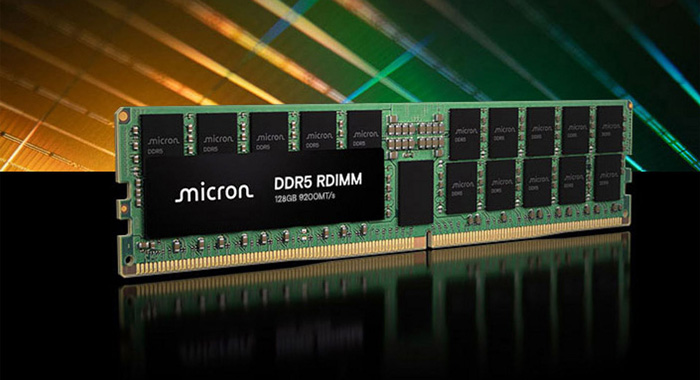
The statistics are staggering: DDR5 memory prices increased by about 102% in just one month, while DDR4 prices rose by over 90% during the same period. Samsung's DDR5-5600 modules saw prices triple over two months, leading to contract prices for server memory increasing by 30-60% in a single adjustment.
Source From the Internet
This price explosion stems from a fundamental imbalance: while AI-driven demand for high-performance memory has skyrocketed, major manufacturers like Samsung, SK Hynix, and Micron have been shifting production capacity toward high-margin products such as HBM (High Bandwidth Memory) and DDR5, reducing traditional memory output by approximately 25%.
Domino Effect For Memory Chips: From Servers to Consumer Devices
The memory chip shortage has an effect throughout the electronics industry:
AI servers are consuming available production capacity for high-performance memory
Consumer devices face supply constraints as manufacturers struggle to secure components
Production costs for smartphones and laptops have increased by 8-10% due to memory price hikes alone
The situation has become so severe that some smartphone manufacturers are reportedly hesitating to accept price increases of nearly 50% for DRAM chips. Many are responding by subtly reducing specifications—for instance, shipping devices with 12GB of RAM instead of 16GB—to manage costs without significantly impacting user experience.
Passive Components Join the Price Surge
The price increases have extended well beyond memory chips. Passive components, including capacitors, resistors, and inductors, are also experiencing significant price hikes driven by both cost pressures and increased demand.
Leading manufacturers have announced successive price adjustments. For instance, Kemet (a Yageo subsidiary) implemented its second price increase for tantalum capacitors this year, with hikes of 20-30% effective November 1st. Similarly, China's Fenghua Advanced Technology has raised prices across multiple product lines by 5-30%, citing soaring costs for precious metals like silver, which has increased approximately 50% year-to-date.
The demand side remains strong, particularly from AI servers and new energy applications, which require significantly more passive components than traditional hardware. A single AI server can use 8 times the MLCC capacitors of a conventional server, creating unprecedented demand for these components.
Automotive Chip Challenges
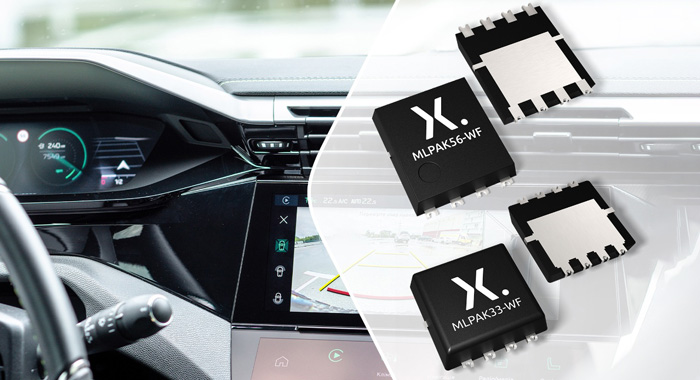
The automotive chip sector presents a complex picture within the current market dynamics. While some stabilization has occurred for certain components like those from Nexperia, underlying challenges persist.
Source From Nexperia
After reaching a peak in late October, demand for Nexperia automotive components has moderated as supply chain anxiety has eased. This suggests that the previous price spikes were partly driven by panic buying rather than genuine demand.
However, the structural issues in automotive semiconductors remain unresolved. As the industry shifts toward electric vehicles, the semiconductor volume per vehicle continues to grow. Modern cars can contain hundreds of chips, up from just a few dozen in traditional combustion-engine vehicles. This increased dependency on semiconductors makes the automotive industry particularly vulnerable to supply chain disruptions.
Strategic Responses Across the Supply Chain
Companies throughout the electronics industry are employing various strategies to navigate the challenging market conditions:
Diversified supplier bases: Leading OEMs are expanding their supplier networks to enhance bargaining power and secure multiple supply channels.
Long-term supply agreements: Companies like Apple and Huawei are signing extended contracts with memory producers to lock in supply and stabilize pricing.
Strategic inventory management: Some manufacturers are building strategic reserves of critical components to buffer against market fluctuations.
Product redesign and substitution: Where possible, companies are redesigning products to use more readily available components or qualifying alternative parts.
The foundry industry is also adapting to the new market reality. Companies like SMIC are exploring "flexible production lines" that can switch between manufacturing logic chips and memory chips based on market demand. This approach represents a significant shift from the traditional specialized factory model toward a more adaptable manufacturing infrastructure.
Outlook for 2026: Structural Shift Not Cyclical Change
Most industry analysts believe the current market conditions represent a structural transformation rather than a typical cyclical fluctuation. The AI revolution is fundamentally reshaping semiconductor demand patterns, with permanent implications for the allocation of production capacity.
Market observers project that the memory price surge may continue through 2026, driven by several factors:
Sustained AI investment: Cloud providers continue to expand AI infrastructure, maintaining pressure on the supply of high-performance memory.
Extended production lead times: Expanding semiconductor manufacturing capacity typically needs 18-24 months. Short-term supply constraints cannot be rapidly resolved.
Technology transition costs: The industry's shift to more advanced nodes and specialized memory architectures requires significant capital investment, potentially constraining capacity expansion.
However, the price surge may eventually face resistance as end-product manufacturers reach the limits of their ability to absorb cost increases. If smartphone and laptop prices rise too significantly, consumer demand may weaken, eventually feeding back into reduced component orders.
Building Supply Chain Resilience
The current market environment underscores the critical importance of supply chain resilience for electronics companies. Several approaches can help mitigate risk:
Develop closer supplier relationships: Deep partnerships with key suppliers can provide better visibility into market trends and early warning of potential disruptions.
Enhance supply chain visibility: Advanced analytics and monitoring tools can help companies anticipate market shifts and adjust procurement strategies accordingly.
Embrace design flexibility: Creating products that can accommodate alternative components provides valuable flexibility when specific parts become scarce or prohibitively expensive.
Diversify geographically: Reducing dependence on single regions for critical components can mitigate geopolitical and logistics risks.
Conclusion
The global chip market is experiencing a fundamental structural shift driven by the AI revolution. While the current price surge presents significant challenges, it also underscores the critical role of semiconductors in the digital economy.
For electronic component distributors and their customers, success in this new environment will require a combination of strategic planning, supply chain flexibility, and close collaboration with trusted partners. By understanding the underlying market dynamics and implementing proactive risk mitigation strategies, companies can navigate the current challenges and position themselves for long-term success in an industry where change is the only constant.